The hormonal changes that happen during menopause can affect every part of our physical and mental wellbeing – and our hair is no exception. If you’ve been noticing changes in your hair recently, you’re not alone, and you’re absolutely not imagining it. The good news is there there is a lot we can do to help.
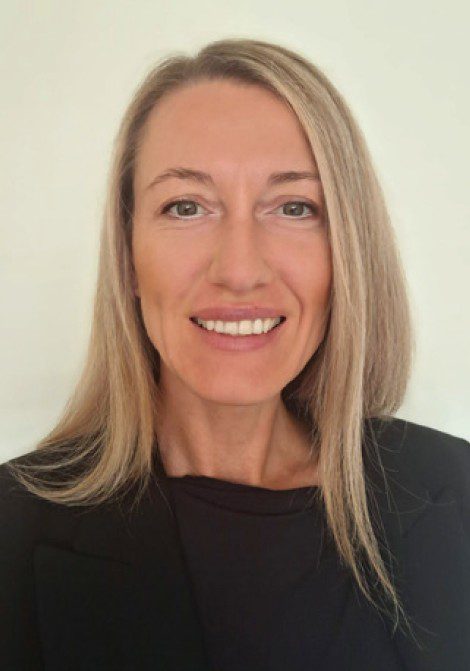
Here, I want to walk you through the three most common hair concerns I see in my clients going through perimenopause and menopause, and share exactly what I recommend – both in the salon and at home.
- Karmen Kobelar, Headmasters Twickenham
The Three Main Changes to Look Out For
From the time we begin to go through perimenopause, we can start to notice our hair:
Losing its colour pigment as greying begins to appear; losing its mass or density as hair fall exceeds new growth; and feeling finer, frizzier and weaker – a process known as miniaturisation.
All three of these changes are caused by shifts in the hair follicle which the hair grows from. Understanding what’s happening is the first step to addressing it – so let’s go through each one.
Greying
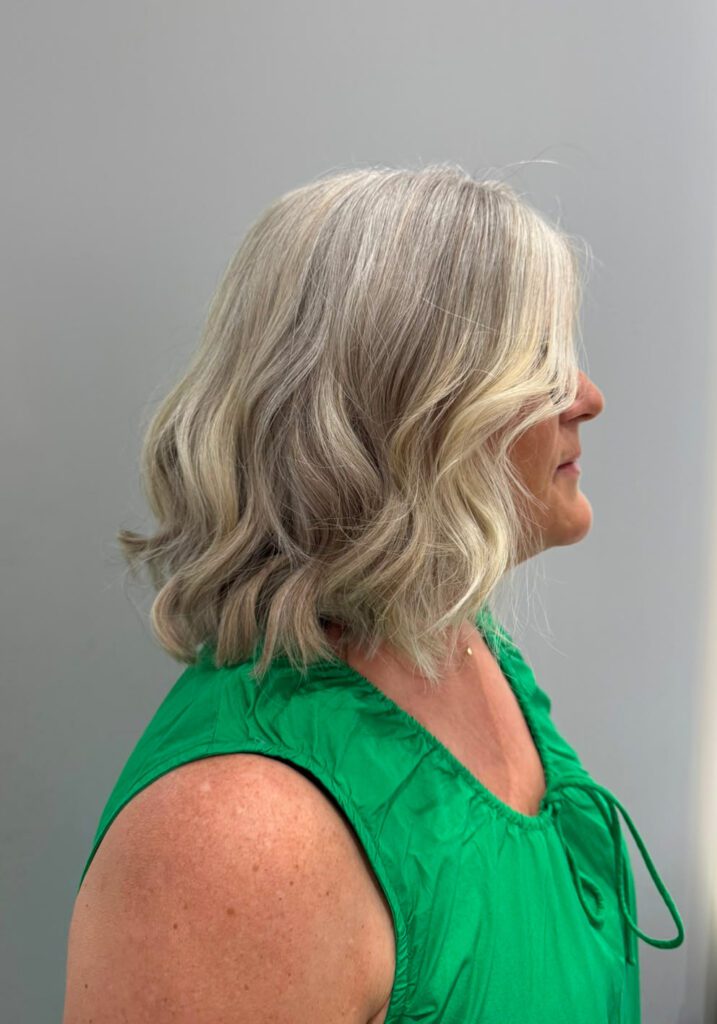
Hair loses its colour as melanin production in the follicle declines with age. While there is currently not a way to reverse this process, your stylist can absolutely help you find a way to work with it beautifully rather than against it.
For a gentle, natural-looking blend of up to 50% grey, I always recommend starting with a glossing service. Using L’Oréal Dia Light – an ammonia-free colour – we can create a completely custom blend that keeps your colour looking natural and believable. Because the colour fades gradually rather than growing out with a harsh line, there’s no commitment and no pressure. It’s a lovely, low-key way to ease into managing your grey on your own terms.
For more on the art of Grey Blending, read our full guide here.
Lost Density
Hormonal changed during menopause can cause our hair follicles to spend less time in the active growth phase and more time in the resting phase – which means more shedding and a noticeable reduction in overall volume and density. It can feel alarming, but it’s incredibly common and there are some really effective ways to address it.
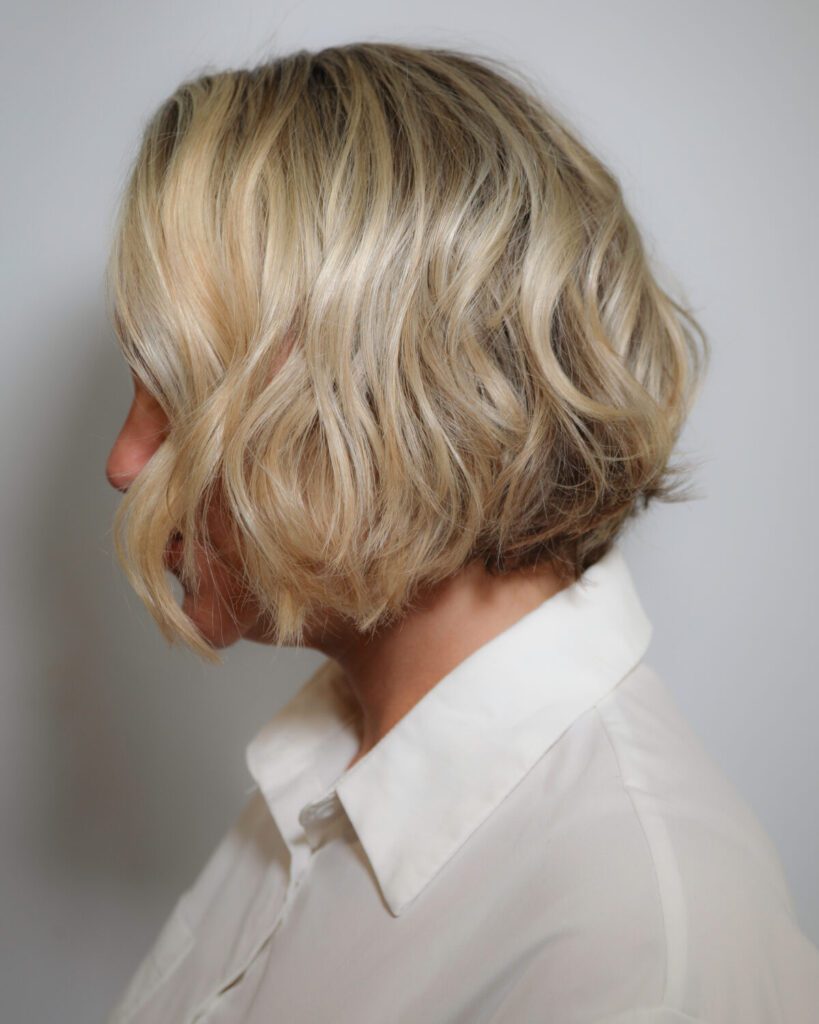
First things first – a great haircut makes an enormous difference. Talk to your stylist about adding layers to longer hair to create movement and the illusion of volume, or adding texture to a shorter bob or crop to give fine hair more body and shape. Sometimes a change in cut alone is genuinely transformative.
For styling at home, my go-to products for instant volume are Color Wow Raise the Root which is brilliant for shorter hair. Apply at the roots before Blow-drying for instant lift that really lasts. For longer hair, I layer Color Wow Xtra Large Bombshell through the lengths for weightless body that doesn’t disappear by lunchtime.
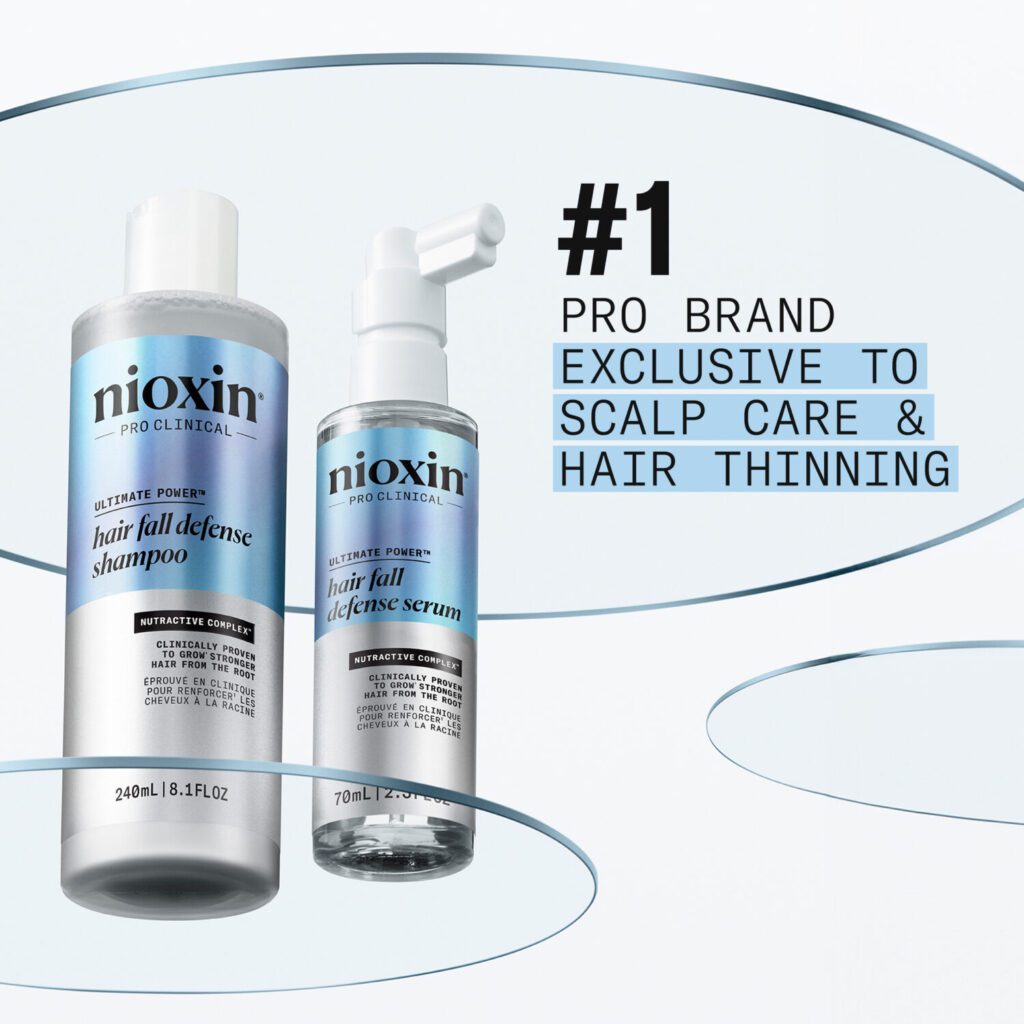
To make hair more resillient day to day, a strong home haircare routine is essential. Nioxin Hair Fall Defense Shampoo and Serum both contain Sandalore, an ingredient that helps anchor hair to the follicle to reduce shedding. I’ve seen brilliant results with my clients who use it consistently.
Miniaturisation
Miniaturisation happens when the collagen on the scalp hardens and the hair follicles begin to age and shrink – causing hair strands to grow progressively finer, shorter and weaker over time. It’s one of the more advanced stages of hair change during menopause, but there is still a great deal we can do.
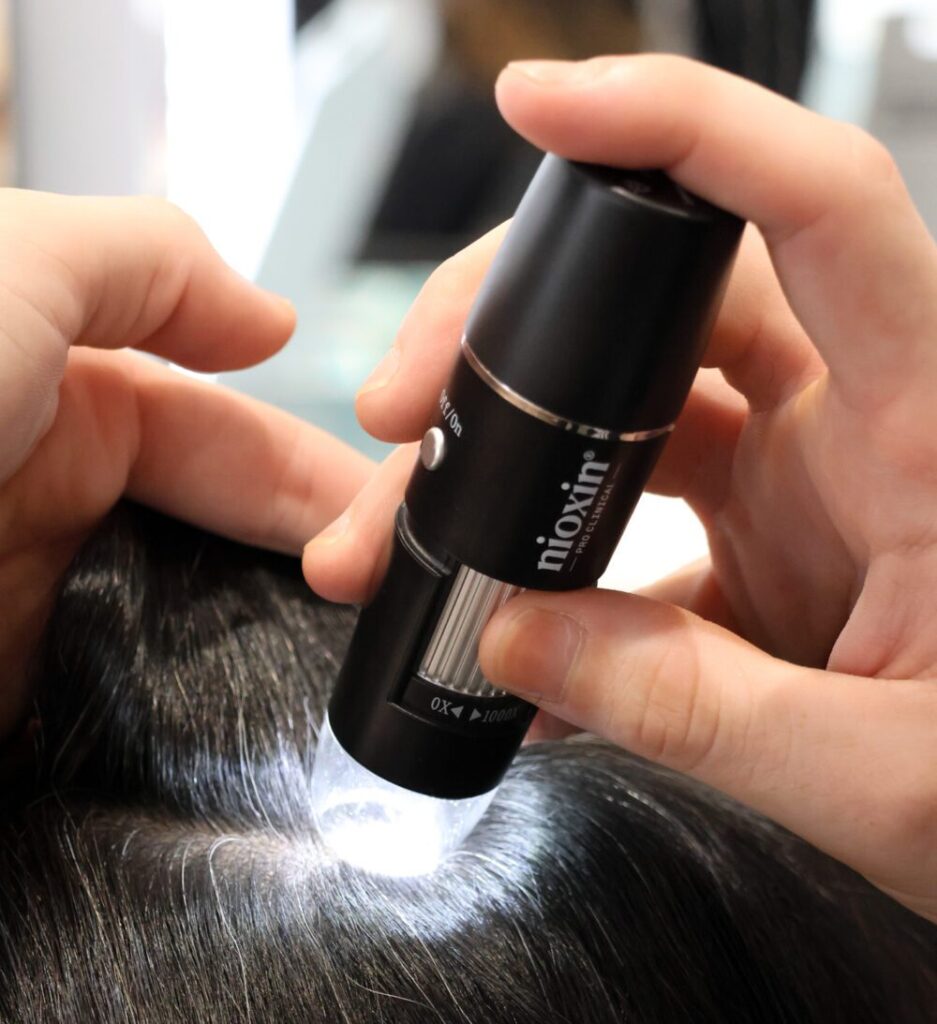
For just £15, your stylist can carry out a Scalp Assessment to determine how much miniaturisation is occurring and advise on the best next steps for your cut and colour. I’d always recommend this as a starting point – because the right approach really does depend on where you are in the process.
Depending on the progression, I typically recommend moving towards a shorter, textured cut with multi-dimensional highlights and lowlights to add depth and movement and make the hair look noticeably thicker. I also love incorporating an Olaplex treatment into the appointment to strengthen and fortify weaker strands – it makes a real difference to the overall resilience of the hair.
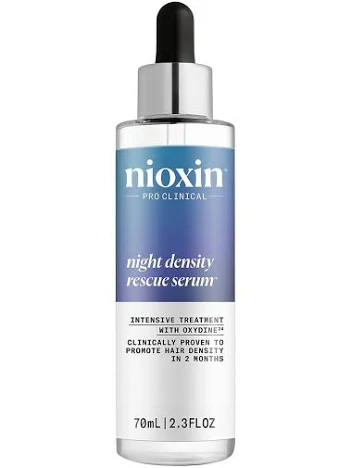
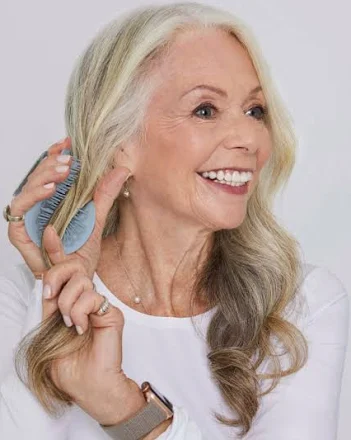
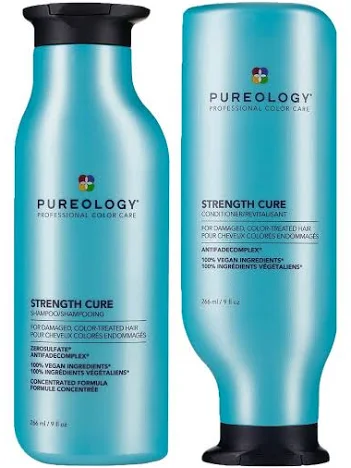
At home, Nioxin Night Density Serum is something I recommend to almost all my clients experiencing miniaturisation. Used overnight, it contains antioxidants that help soften the collagen on the scalp, preventing the strangulation of follicles and allowing hair to grow to its full potential. Pureology Strength Cure is another firm favourite for fortifying weaker strands day to day – and I always suggest switching to a Manta Brush for detangling, which is gentle enough to minimise unnecessary breakage.
If the scalp is becoming visible through the hair – particularly around the hairline or parting – Colour Wow Root Cover Up is a game-changer. This powder-based concealer makes hair appear significantly thicker when applied directly to the scalp, and it looks completely natural.
You Don’t Have to Navigate This Alone
Menopause affects every woman differently – and the same is true for how it affects your hair. What works for one client may not be the right approach for another, which is exactly why a conversation with your stylist is always the best place to start.
At Headmasters, our salon teams are here to listen, advise and support you through every stage of your hair journey – with honesty, expertise and genuine care. Whether you want to talk through your options, try a new product or book a scalp assessment, we’re ready when you are.
Find your nearest Headmasters salon and book today.
For more expert advice and hair inspiration, follow us at @headmastersuk on Instagram – and for more tips from our team across the salons, keep an eye on the blog.
Loving these tips? Keep an eye out in salons for our Glam Guides – available in all salons on each section. A curated edit of the season’s best style trends, product picks and expert advice from our stylists. Read one now!